Spring is one of the most exciting seasons for young learners. Flowers begin to bloom, insects become active again, and nature offers endless opportunities for discovery. For teachers and educators, this makes spring the perfect time to introduce hands-on learning experiences that connect classroom lessons with the natural world.
At Play&Learn Cyprus, many educational materials are designed to help children explore nature through observation, manipulation, and play. Using tools such as puzzles, life cycle miniatures, insect learning cards, and wooden blocks allows children to develop scientific thinking while strengthening essential developmental skills.
Why Spring Is an Ideal Theme for Learning
During spring, children can easily observe changes happening around them:
- flowers blooming
- insects appearing in gardens
- plants growing from seeds
- butterflies and bees visiting flowers
These natural events spark curiosity and encourage children to ask questions about how the world works. When teachers support these observations with educational materials and hands-on activities, children develop stronger understanding and long-lasting learning experiences.
The Importance of Hands-On Learning
Hands-on learning allows children to actively explore concepts instead of simply hearing about them. When children manipulate materials, arrange objects, and experiment with ideas, they engage multiple senses and build deeper understanding.
Benefits of hands-on learning include:
- development of fine motor skills
- improved problem solving
- stronger memory retention
- greater engagement and curiosity
- encouragement of independent exploration
Educational materials that children can touch, move, and explore transform abstract ideas into concrete experiences!
Exploring Flowers with Educational Puzzles
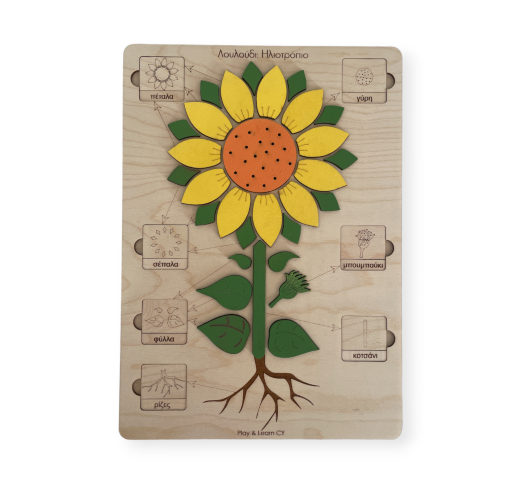
Flowers are one of the first signs of spring and a great starting point for nature lessons. Using wooden puzzles such as the Sunflower, Peony, or Rose puzzles helps children learn about flowers while developing coordination and spatial awareness.
For example, the Sunflower puzzle helps preschool children practice hand-eye coordination while recognizing flower shape parts and patterns.
Teachers can extend the activity by:
- comparing puzzle flowers with real flowers
- sorting flowers by color or size
- identifying the parts of a flower
- creating a spring nature table
Understanding Nature Through Life Cycle Activities
Life cycle lessons are one of the most fascinating science topics for young children. They allow learners to understand how living things grow and change over time.
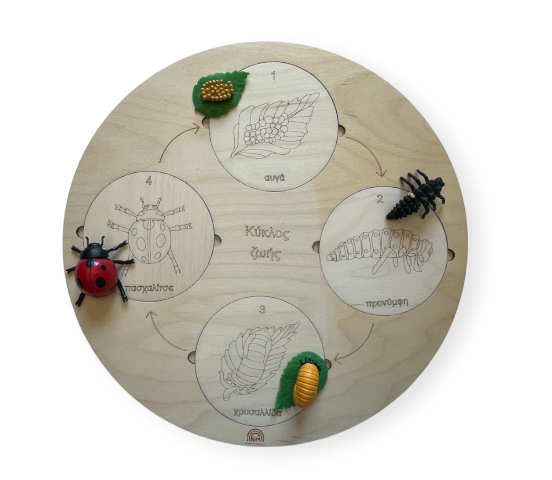
Using realistic figurines helps children visualize these transformations. For example, the
👉 Life Cycle of the Monarch Butterfly shows the stages from egg to caterpillar, chrysalis, and butterfly.
Similarly, the
👉 Life Cycle of a Ladybug helps children explore insect metamorphosis step by step.
Teachers can create simple classroom activities such as:
- sequencing the stages of development
- storytelling about the transformation
- matching life cycle figures with pictures
- observing real insects outside
These experiences help children understand scientific concepts such as growth, change, and transformation.
Discovering the World of Insects
Spring is also the perfect time to introduce children to the fascinating world of insects.
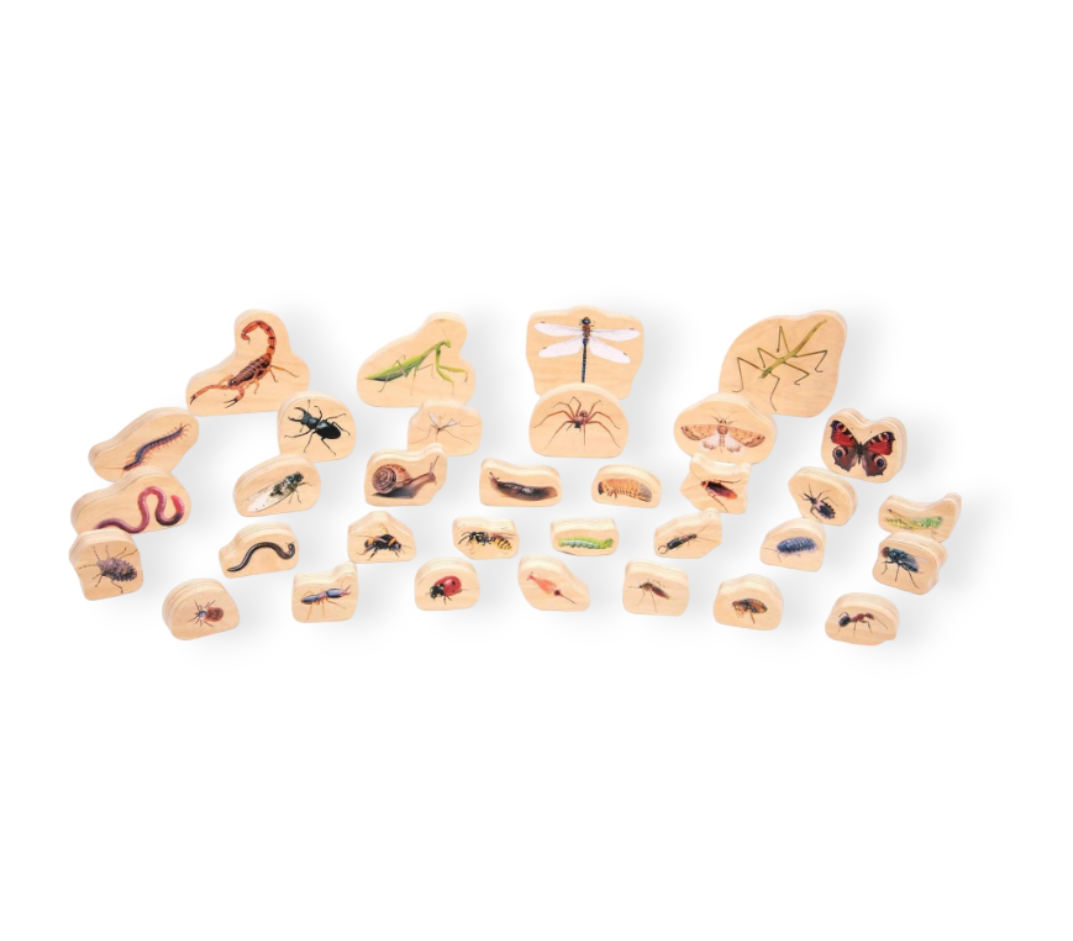
Learning tools like
👉 Wooden Insects Blocks allow children to explore realistic insect images while developing vocabulary and descriptive language skills.
Teachers can combine insect materials with classification activities such as:
- identifying insects by number of legs
- grouping insects by wings or colors
- matching insects with learning cards
- creating small insect habitats in sensory trays
These activities encourage children to observe carefully and develop early scientific classification skills.
Encouraging Outdoor Exploration
Combining classroom materials with outdoor exploration creates the most powerful learning experiences.
Simple tools like the
👉 Exploration Kit for Nature Observation allow children to observe insects, leaves, and small natural objects closely.
Teachers can organize spring exploration activities such as:
- garden insect hunts
- observing bees visiting flowers
- collecting leaves and petals
- examining insects with magnifiers
These real-world experiences reinforce classroom learning and encourage curiosity about nature.
Creating Meaningful Seasonal Learning Experiences
Spring educational materials do much more than teach science concepts. They help children develop:
- curiosity and observation skills
- environmental awareness
- scientific thinking
- creativity and imagination
By incorporating materials such as puzzles, life cycle figures, insect blocks, and nature exploration tools, teachers can create engaging environments where children learn through play, discovery, and exploration.
Spring is a season full of wonder, and with the right educational resources, it can become one of the most exciting learning periods of the school year.
Explore more nature-inspired learning materials at Play&Learn CY and bring the magic of spring discovery into your classroom.